Cleaning out an estate can feel like walking into a lifetime of memories and being asked to sort everything into four piles by Friday. There may be furniture, family photographs, important documents, kitchen gadgets, holiday decorations, and at least one drawer containing batteries that may or may not have worked since 1997.
Whether you are handling an inherited home or helping a family member move, the process takes time, patience, and a practical plan. This Minnesota estate cleanout checklist will help you decide what to keep, donate, sell, or remove. It will also help you recognize when house cleanout services can make the job considerably easier.
Start With Important Documents and Personal Items
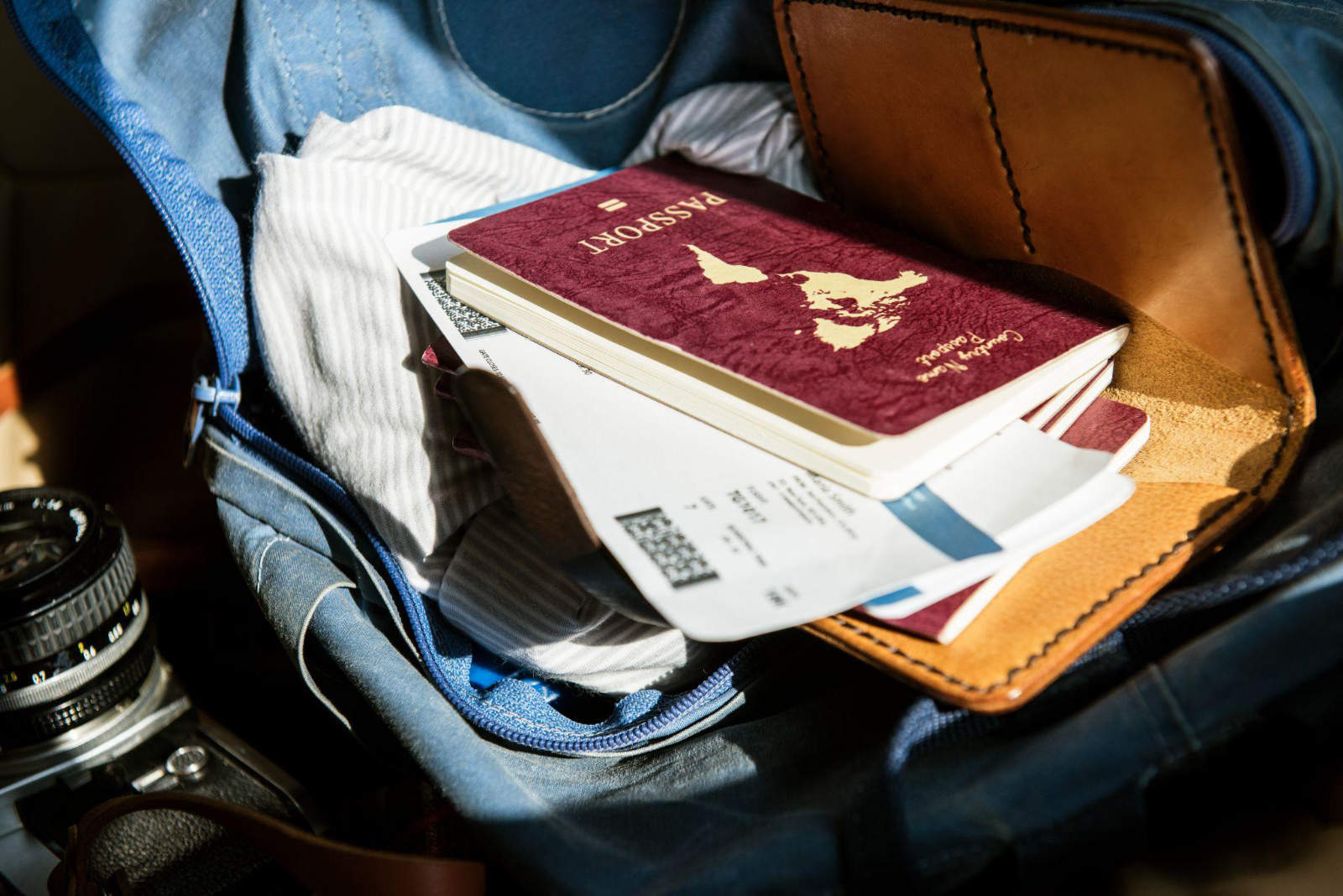
Before moving furniture or filling donation boxes, look for anything important, valuable, or personally meaningful. Check desks, filing cabinets, nightstands, closets, safes, and those mysterious envelopes tucked behind everything else.
Set aside items such as:
- Wills, deeds, and financial records
- Insurance policies and tax documents
- Birth certificates, marriage certificates, and military records
- Jewelry, cash, and collectible items
- Family photographs, letters, and keepsakes
- Keys, passwords, and address books
Make sure the appropriate family members or estate representative review these items before anything leaves the house. If several people are involved, create one clearly marked area for belongings that require a decision. This helps prevent an important folder from accidentally travelling to the donation center beside a box of old cookbooks.

Decide What the Family Wants to Keep
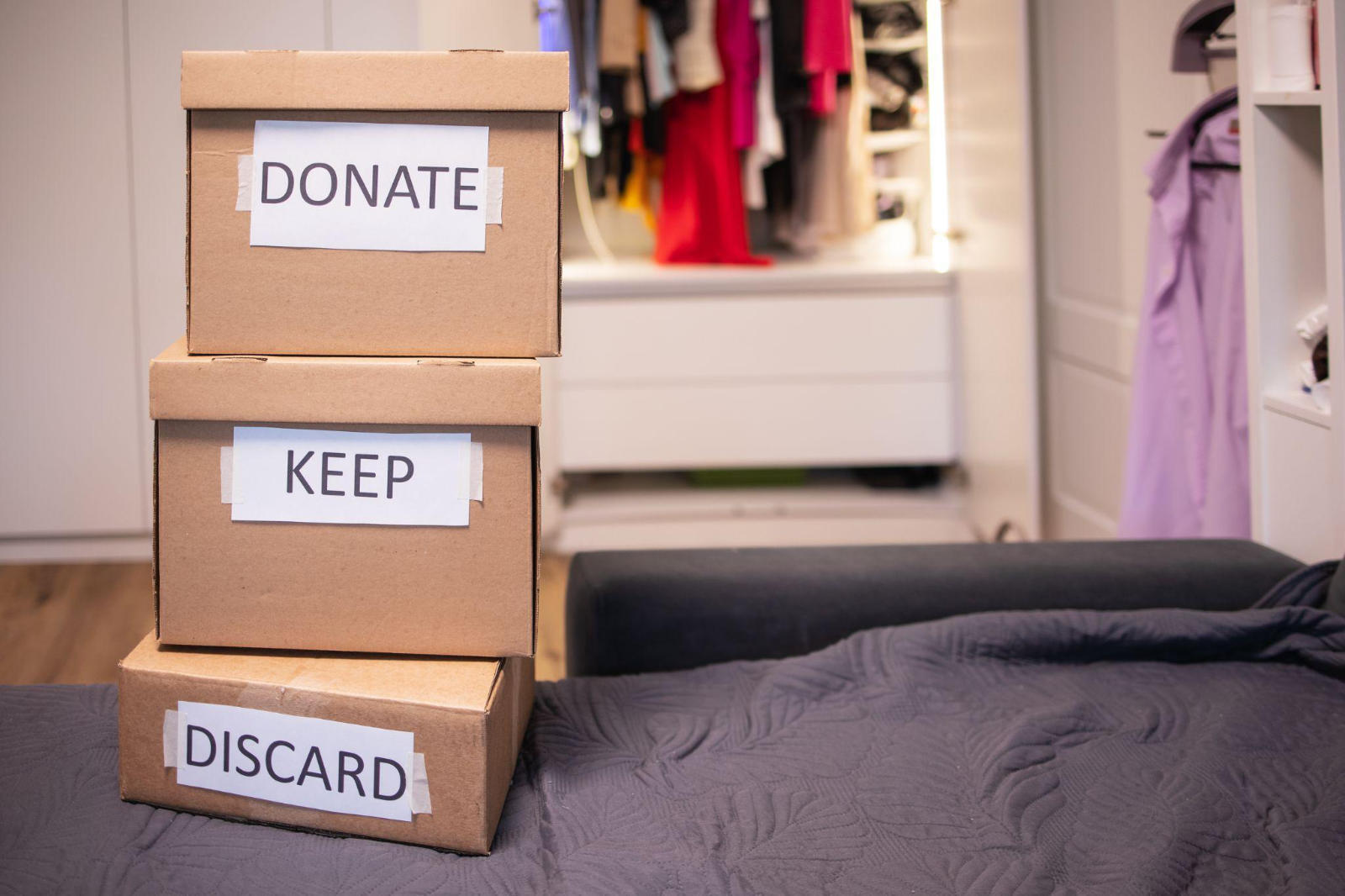
Once the important documents are secure, identify the belongings family members would like to keep. This is often the most emotional part of an estate cleanout, so give everyone a reasonable opportunity to participate.
Photographs can help if someone cannot visit the property in person. Take pictures of furniture, artwork, dishes, tools, and other meaningful items, and establish a deadline for making decisions. Clearly label anything that has been claimed.
Try to focus on what genuinely matters rather than keeping everything out of guilt. You do not have to become the permanent caretaker of twelve boxes of plastic flowerpots simply because someone you loved owned them. Keeping a few meaningful items can preserve the memories without transferring the entire contents of the house into your garage.

Separate Items That Can Be Donated
Many belongings may still be useful even if the family does not need them. Clothing, furniture, kitchenware, books, linens, tools, and small appliances may be welcomed by local charities or community organizations.
Before loading the vehicle, contact the organization to confirm what it accepts. Donation rules vary, and some locations cannot take mattresses, large appliances, damaged furniture, or certain electronics.
Items should generally be clean, complete, and usable. A good rule is to ask whether you would feel comfortable giving the item directly to another person. If the answer is no, it probably belongs in the removal pile. Professional house cleanout services can help separate usable items from general household debris and reduce the number of trips you need to make.
Identify What May Be Worth Selling
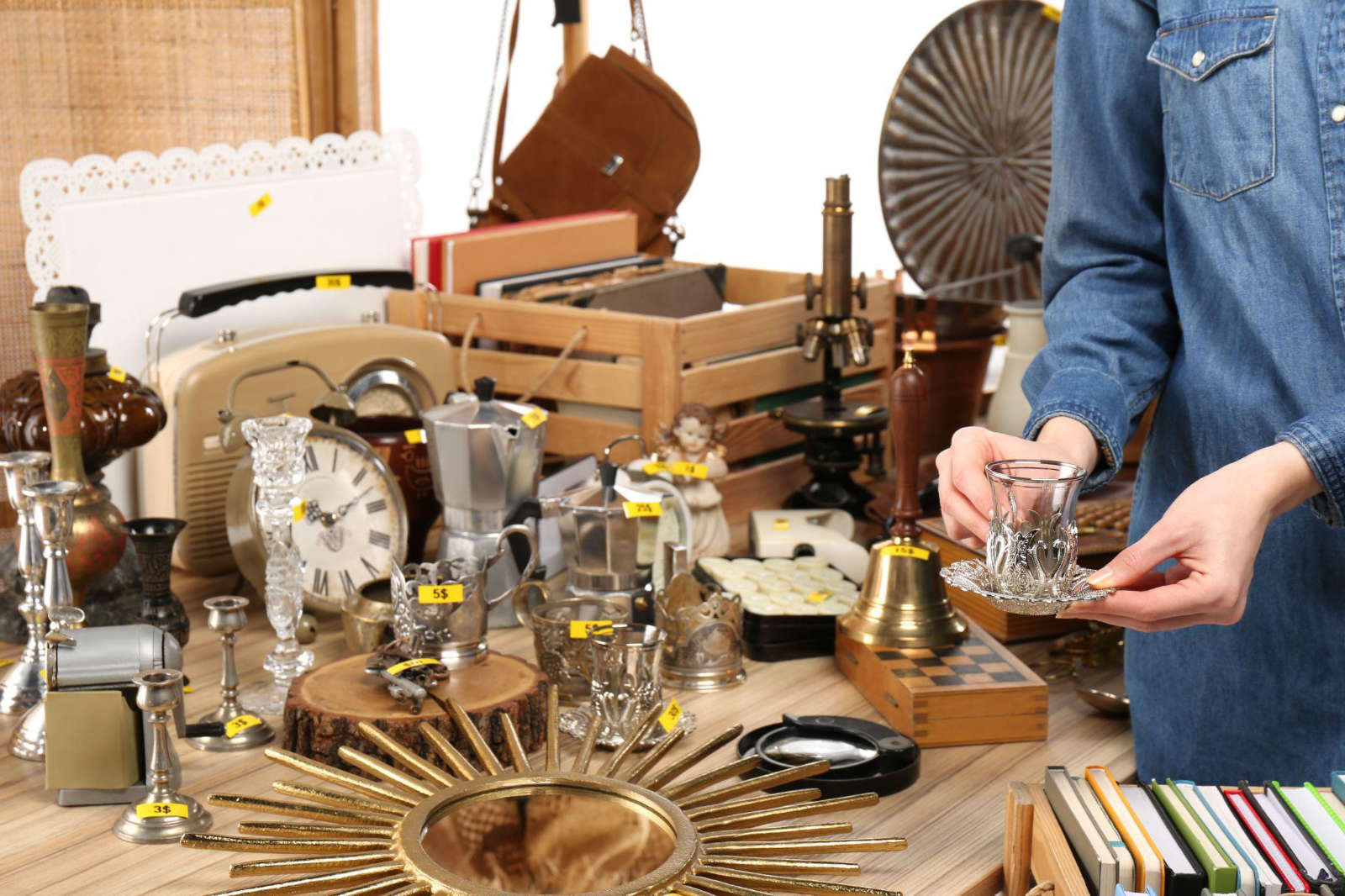
Estate sales, online marketplaces, consignment stores, and auction companies can help you sell valuable furniture, antiques, collectibles, tools, or equipment. However, not every older item is valuable. Sometimes an old chair is a treasured antique, and sometimes it is simply a chair that has spent 40 years becoming less comfortable.
If you are unsure about an item, consult a qualified appraiser or estate sale professional. Avoid throwing away coins, jewelry, artwork, military memorabilia, or collections before someone knowledgeable has examined them.
Consider the time and effort involved in selling, too. Photographing items, answering messages, meeting buyers, and negotiating prices can quickly become another job. It may make sense to sell the higher-value pieces and donate or remove the rest.
Handle Special Items Carefully
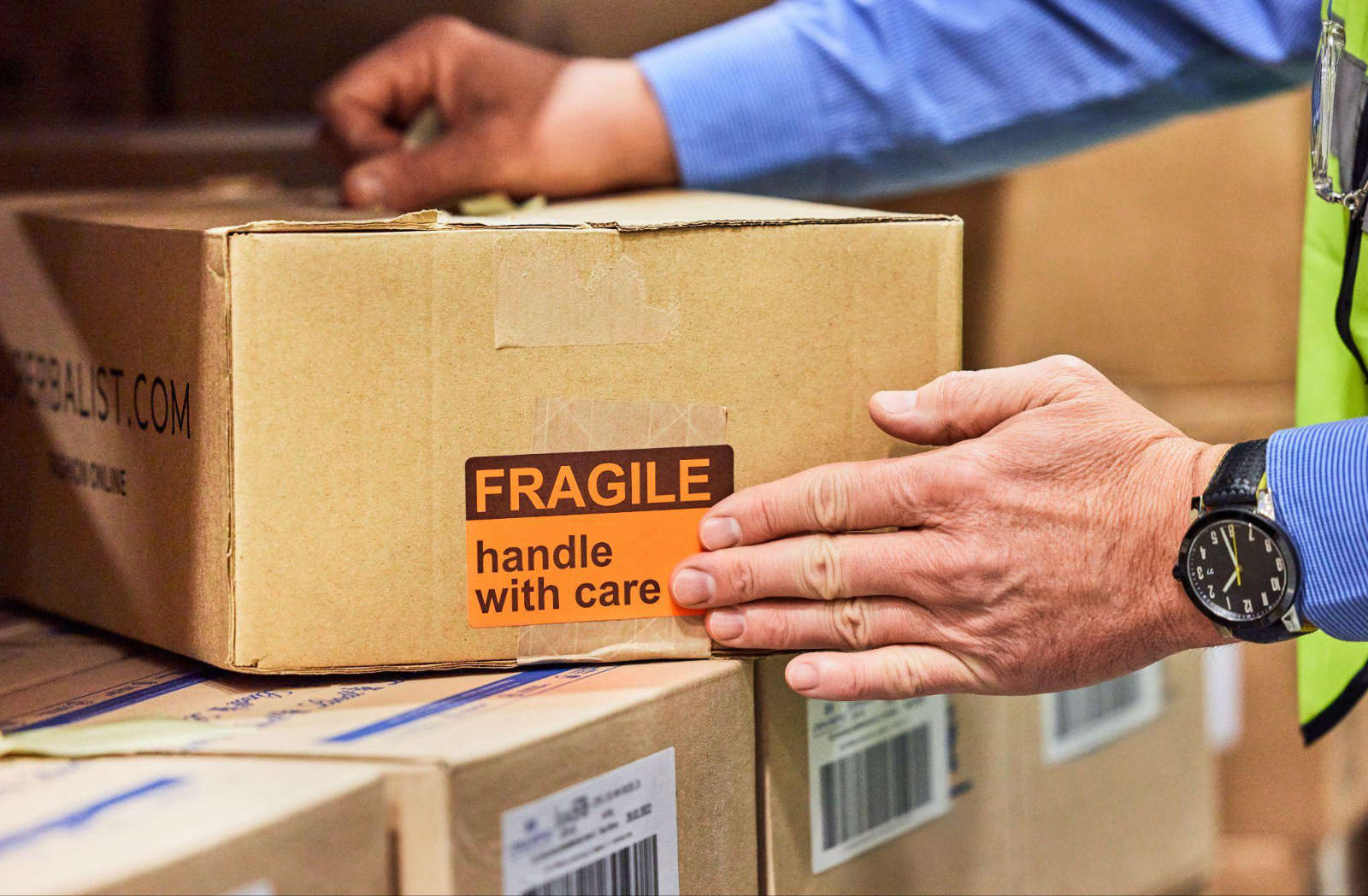
Some belongings cannot go into an ordinary junk load or household garbage. Paint, chemicals, propane tanks, ammunition, medications, and certain electronics may require special disposal.
Watch for these items in garages, basements, sheds, and utility rooms. Minnesota counties and municipalities have their own collection programs and disposal requirements, so check the local rules before transporting anything.
Personal documents containing financial, medical, or identifying information should be shredded. Medications should go to an approved drop-off location, while hazardous household products should be handled through the appropriate local facility.
Experienced house cleanout services can tell you what they can remove and point you in the right direction for items requiring specialized disposal.
Create a Clear Haul-Away Pile
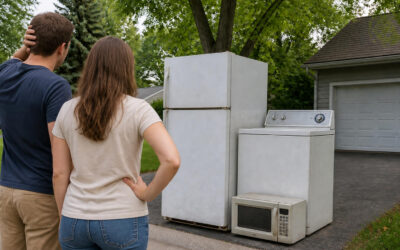
After the keepsakes, donations, and sale items have been removed, you will probably still have a substantial amount left. Broken furniture, worn mattresses, damaged household goods, old carpeting, and general clutter can add up quickly.
Keep the pathways through the house clear and avoid creating piles that block stairs or doorways. If possible, group similar materials together so the removal process is faster.
This is where house cleanout services can save you a great deal of lifting, loading, driving, and figuring out where everything belongs. A full-service crew can remove unwanted items directly from the property, so you are not left recruiting relatives with pickup trucks and promising them pizza.

Prepare the Property for Its Next Use
Once the contents are gone, walk through every room, closet, cupboard, garage, and outdoor storage area. Check the attic and basement as well. Those are usually the places where one last box appears after everyone has declared the job finished.
Remove loose debris, sweep the floors, and identify any repairs or cleaning needed before the home is listed, transferred, rented, or occupied. Completing the cleanout first gives cleaners, contractors, and real estate professionals room to work.
If there is a deadline for selling or turning over the property, scheduling house cleanout services early can help keep the entire process moving.
You Do Not Have to Handle the Whole Cleanout Alone
An estate cleanout is not an ordinary cleaning project. You are sorting through someone’s home, history, and belongings while making dozens of decisions. It is completely reasonable for the job to feel overwhelming.
Junk Truck MN provides friendly, local house cleanout services for families throughout our Minnesota service area. We can help remove furniture, household clutter, and other unwanted items once you have decided what the family wants to keep, donate, or sell.
You handle the memories. We will handle the heavy lifting, the loading, and the part where someone has to get that sofa through a doorway that suddenly looks much smaller than it used to. Contact Junk Truck MN to talk about your estate cleanout and schedule a pickup.