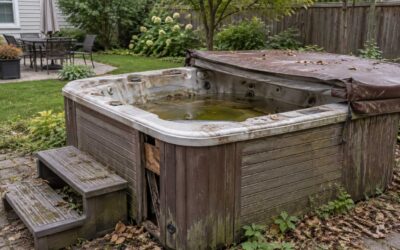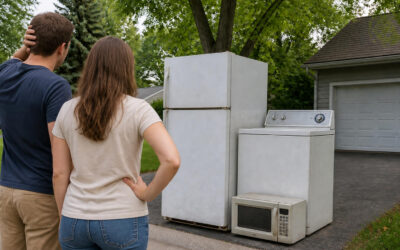

You finished the renovation—nice work! Now you’re standing in front of a pile of drywall, flooring, lumber, and mystery scraps wondering, “What am I supposed to do with all this?”
You’re definitely not alone. Home improvement projects can create a surprising amount of waste, even when the project itself feels fairly small. Here’s how to approach construction debris removal safely, responsibly, and without letting that leftover mess steal your weekend.
Start by Sorting the Debris
Before loading anything into your vehicle, separate the materials into a few basic groups:
- Drywall and plaster
- Scrap wood and lumber
- Shingles and roofing materials
- Flooring and carpet
- Metal, cardboard, and other recyclables
- Fixtures, cabinets, and reusable materials
- Paint, chemicals, and potentially hazardous items
Sorting makes construction debris removal much easier. It also helps you identify materials that may be recyclable, reusable, or subject to special disposal rules.
Wear sturdy gloves, closed-toe shoes, and eye protection while working. Renovation debris tends to hide sharp nails, broken tile, splintered wood, and other unpleasant surprises.
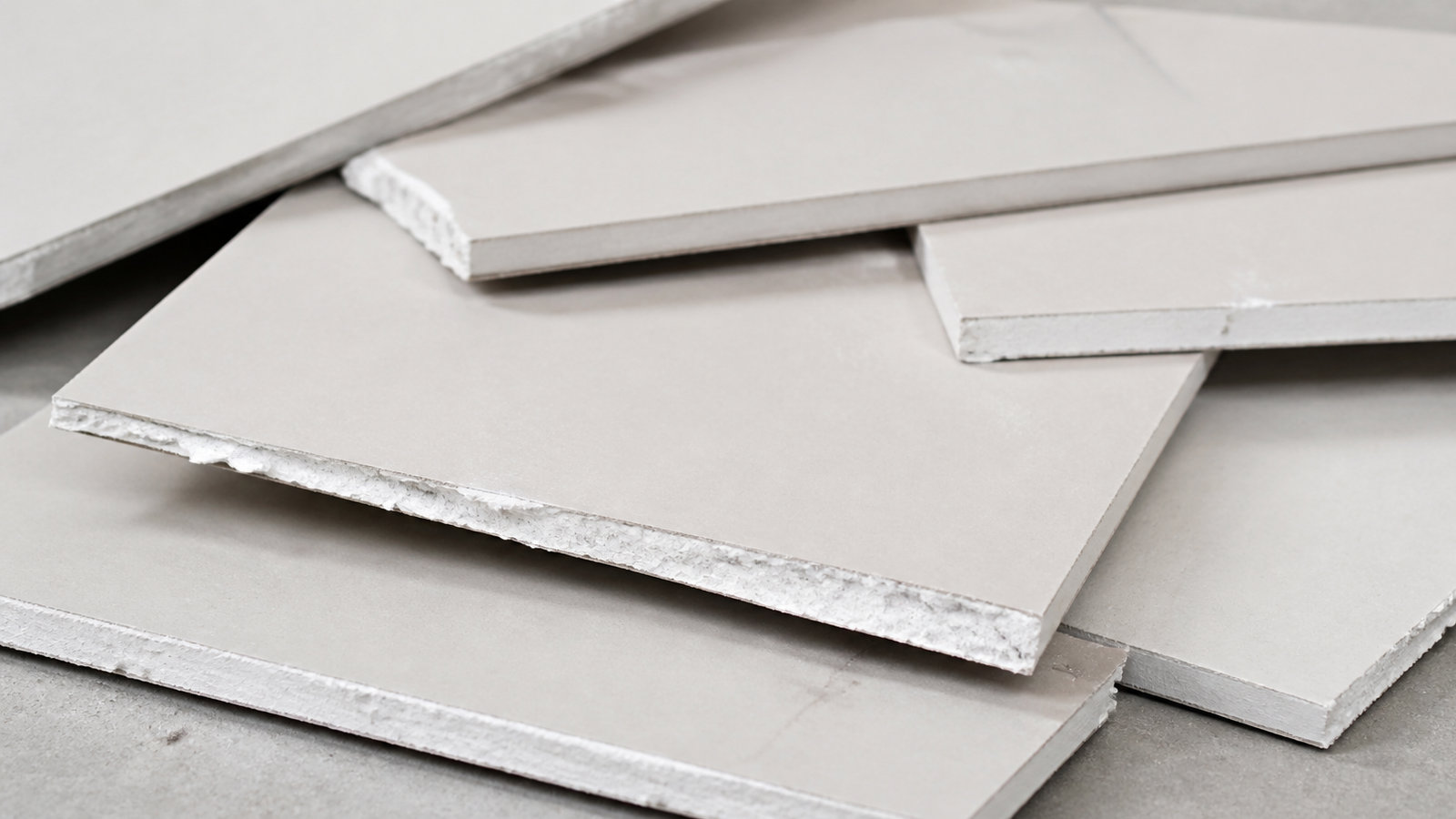
How to Handle Drywall
Small amounts of clean drywall may be accepted at certain disposal or recycling facilities. However, drywall disposal rules can vary, and some locations separate new drywall scraps from painted or demolished material.
Keep drywall dry if possible, and avoid breaking it into tiny pieces. That creates a lot of dust and makes cleanup harder. If you have several rooms’ worth of drywall, professional construction debris removal may be more practical than making repeated trips yourself.
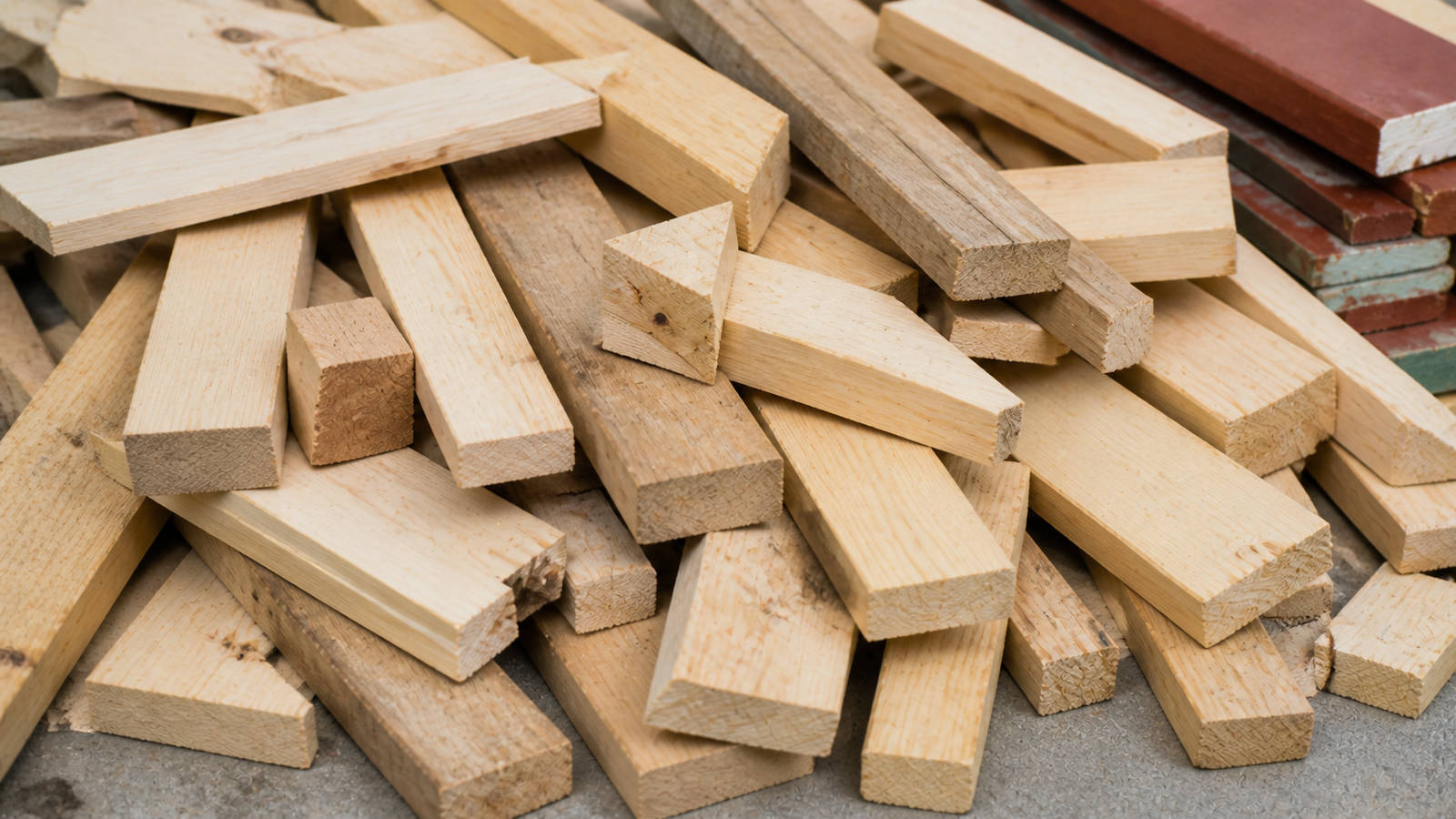
What About Scrap Wood?
Clean, untreated lumber may be reusable or recyclable. Before tossing it, look for boards that could be donated or saved for future projects.
Painted, stained, pressure-treated, or rotting wood may need different handling. Remove protruding nails whenever you safely can, or clearly separate nail-filled boards from other materials. A wood debris removal service can take the heavy, awkward pieces off your hands while helping you avoid damaging your vehicle.
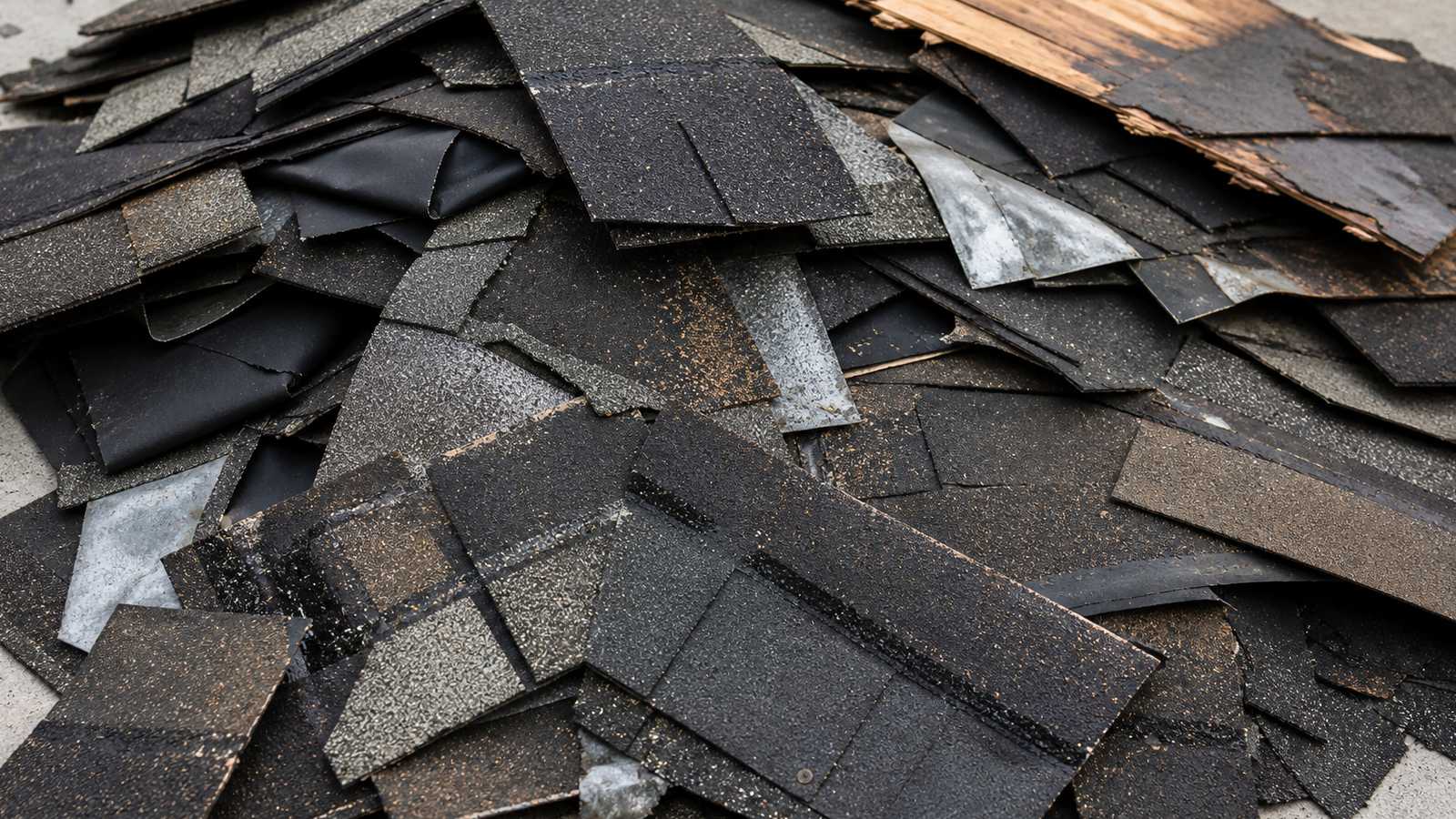
Shingles and Roofing Materials
Roofing debris gets heavy quickly—much faster than most homeowners expect. Shingles, underlayment, flashing, and damaged sheathing may also require separate disposal.
Because of the weight and the risk of exposed roofing nails, this is one area where construction debris removal often makes excellent sense. A professional crew can handle the loading and transportation while you stay safely out of the nail zone.
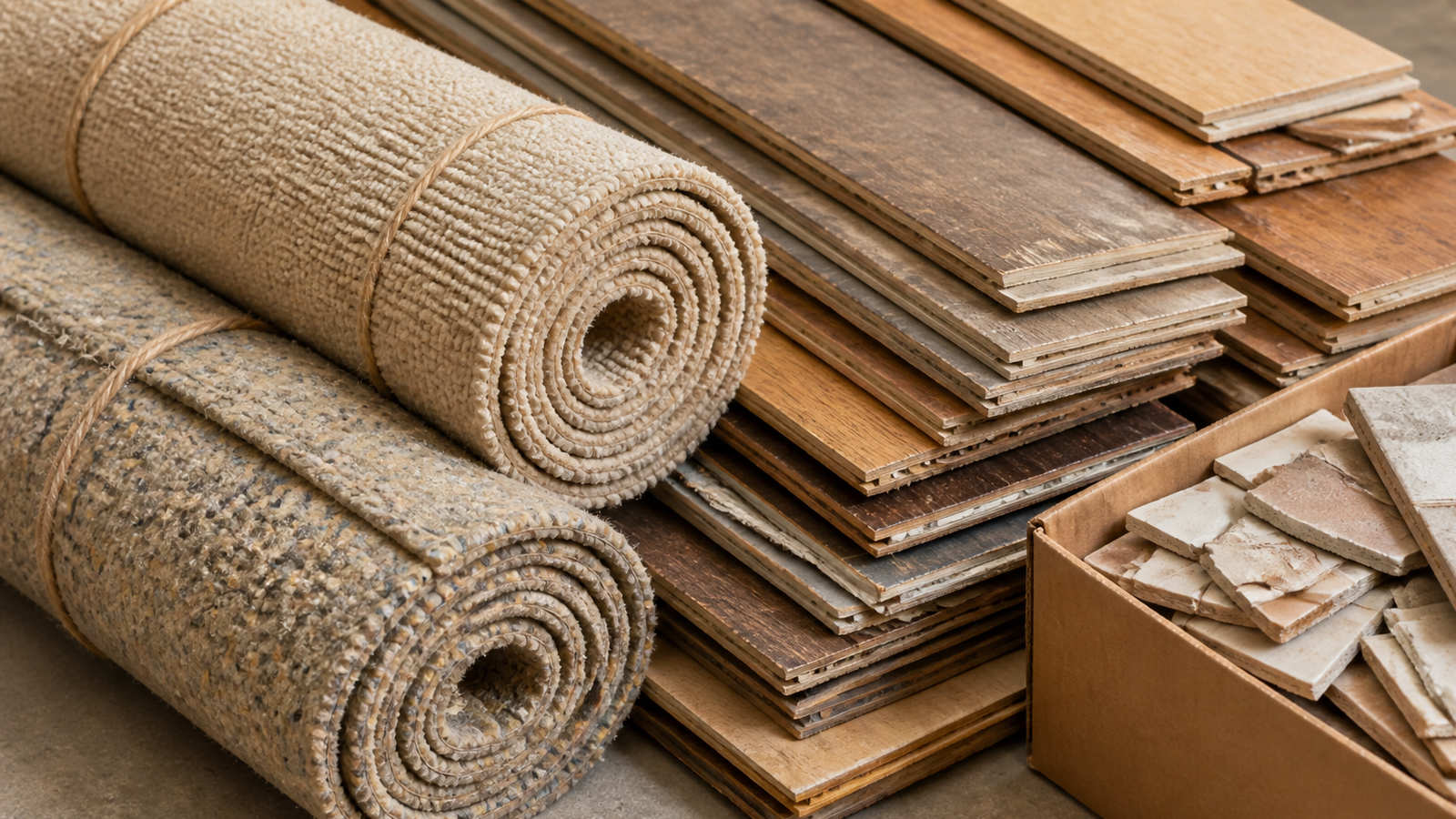
Flooring, Carpet, and Tile
Roll carpet into manageable sections and secure each roll with tape or twine. Laminate, vinyl planks, hardwood, and broken tile should be stacked or boxed so sharp edges remain contained.
Older flooring materials and adhesives can occasionally contain asbestos or other hazardous substances. If you are renovating an older Minnesota home and suspect asbestos, stop work and contact a qualified testing or abatement professional. Regular construction junk removal crews generally cannot accept hazardous materials.
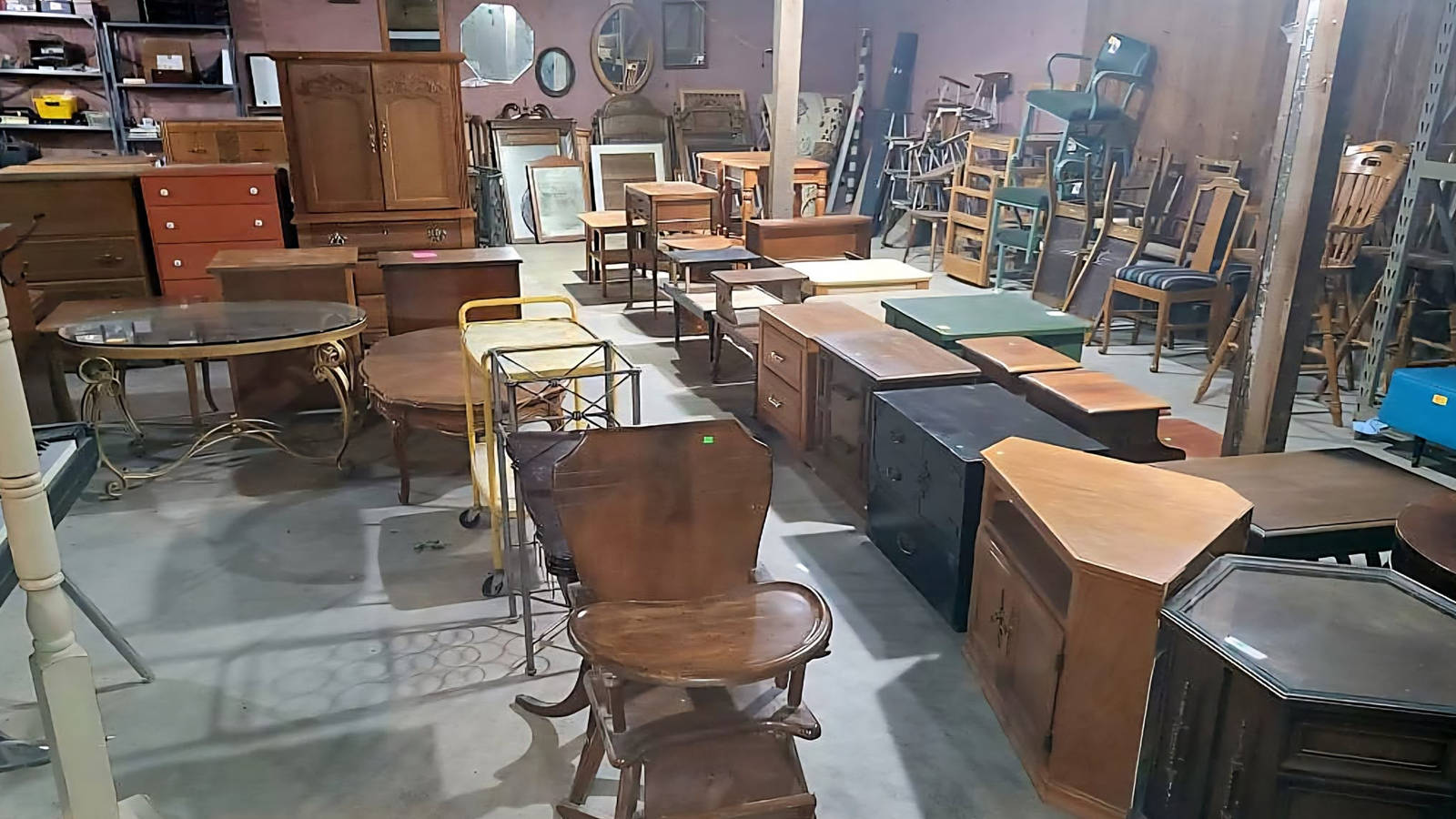
Can Cabinets and Fixtures Be Reused?
Sometimes! Cabinets, doors, sinks, shelving, and working fixtures may be suitable for donation if they are clean and in usable condition. Set those pieces aside before demolition whenever possible.
Reuse can reduce construction waste removal costs while keeping useful materials out of the landfill. Just remember that donation centers have their own acceptance requirements, so check before hauling everything over.
When Should You Hire a Professional?
DIY disposal can work for a small bathroom refresh or a few leftover boards. Professional construction debris removal becomes especially helpful when:
- The pile is too large for your vehicle
- Materials are heavy, sharp, or difficult to carry
- You would need multiple disposal trips
- Debris is blocking your garage, driveway, or workspace
- You’re unsure where different materials should go
- You simply want your home back quickly
Searching for “construction debris removal near me” can connect you with a local team that understands area disposal requirements. Be ready to describe the materials, approximate volume, location of the pile, and whether stairs or tight access are involved.
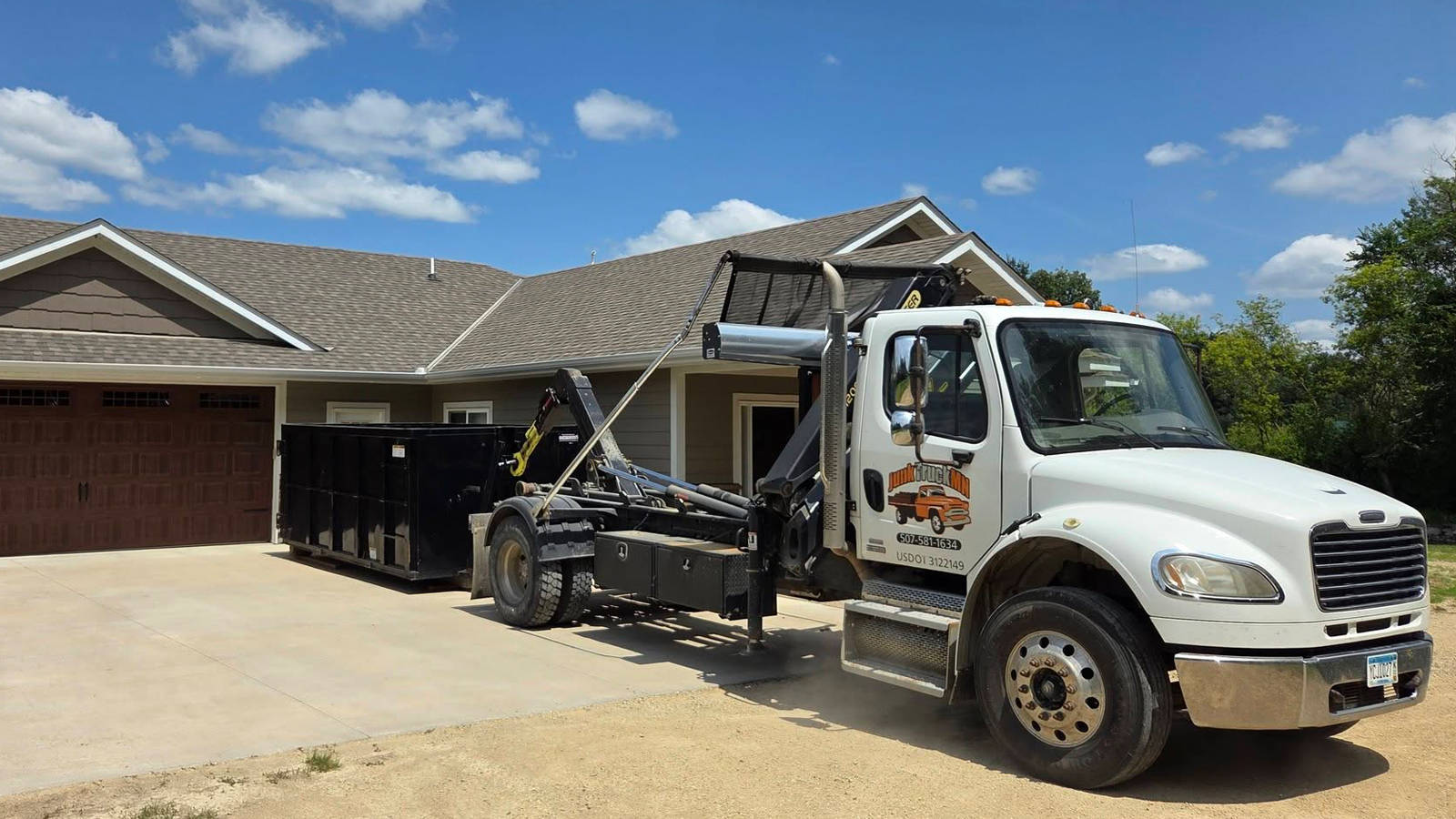
Make Cleanup the Final Step of the Project
Renovations are exhausting. By the time the last cabinet is installed, it’s completely understandable if you’re ready to be done.
A dependable renovation debris removal team can handle drywall, scrap wood, flooring, fixtures, and many other non-hazardous materials. Whether you need remodeling debris removal after one room or full home renovation cleanup, professional construction debris removal can save time, reduce heavy lifting, and help you enjoy the finished space sooner.
You did the hard part by completing the project. Now let someone else take care of the pile.
Ready to clear out the renovation mess? Junk Truck MN makes construction debris removal simple. Our friendly local team will handle the heavy lifting and haul away your unwanted materials so you can enjoy your newly improved space. Contact us today to schedule your pickup!