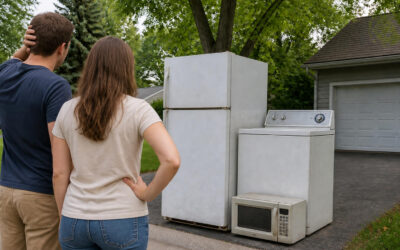

Getting a home ready to sell usually starts with the obvious things. Fresh paint. Minor repairs. Better lighting. Maybe even new landscaping.
But one of the biggest factors in how quickly a home sells often gets overlooked: clutter.
In a competitive market like the Twin Cities, buyers form opinions fast. Before they notice the upgraded countertops or the nice backyard, they’re already reacting to how the home feels. Packed basements, crowded garages, overloaded closets, and overflowing storage rooms can quietly make a home feel smaller, more stressful, and harder to picture living in.
That’s why pre-listing home prep Minnesota homeowners do before the sign goes up can make a much bigger difference than people realize.

Why Clutter Can Slow Down a Sale
Most buyers are walking through multiple homes in a short amount of time. They compare everything, even subconsciously.
A cluttered home creates distractions. Instead of noticing the space itself, buyers start focusing on the stuff inside it.
And in Minnesota homes, certain areas matter more than homeowners sometimes expect.
Basements are a big one. In the Twin Cities, basements often become long-term storage areas for seasonal decorations, old furniture, workout equipment, bins of kids’ clothes, and unfinished projects. But when buyers walk downstairs and see packed corners and narrow walkways, they don’t think “storage.” They think “not enough space.”
Garages create the same issue. A two-car garage that only fits one vehicle because it’s packed with shelving, tools, and old boxes suddenly feels less functional.
That’s one reason pre-listing home prep Minnesota sellers invest in often starts with clearing out the areas buyers notice first.
The “First Impression” Factor Is Real
Online photos do a lot of the heavy lifting before buyers ever schedule a showing.
Even beautifully staged homes can feel crowded if there’s simply too much in them. Large furniture, stacked storage bins, overloaded shelves, and packed utility rooms make spaces photograph smaller than they actually are.
And once buyers arrive in person, clutter changes how they move through the house. Narrow pathways, packed corners, and overflowing storage areas create visual stress, even if buyers can’t quite explain why.
That’s why decluttering before moving Minnesota homeowners often tackle early can help homes feel cleaner, calmer, and more move-in ready from the very first showing.

The Areas Buyers Notice Immediately
Some spaces carry more emotional weight during showings than others.
Basements
Minnesota basements often become “deal with it later” zones over the years. But buyers pay close attention to storage, moisture concerns, and usable square footage. Clearing out excess items helps the basement feel bigger and easier to maintain.
Garages
Buyers want to picture where bikes, tools, snowblowers, and vehicles will actually go. If the garage already feels full, it raises concerns about storage capacity.
Attics and Storage Rooms
Packed storage rooms accidentally send the message that the house doesn’t have enough space for everyday life.
Yards and Sheds
Especially after winter, outdoor spaces collect broken furniture, leftover lumber, damaged planters, scrap metal, and old project debris. Cleaning these areas up quickly improves curb appeal and helps the property feel better maintained overall.
For larger projects, some homeowners also look into a Twin Cities estate cleanout service when downsizing or clearing inherited properties before listing.

Realtors Recommend Decluttering for a Reason
There’s a reason Realtors almost always suggest decluttering before a home hits the market.
It helps with:
- listing photos
- staging
- walkthrough flow
- open houses
- final moving prep
It also makes cleaning dramatically easier during the selling process.
And honestly, many homeowners discover that once they start clearing things out, the entire process feels less overwhelming. Instead of rushing through years of accumulated stuff during moving week, they’re already ahead of it.
That’s where junk removal for Realtors and homeowners has become increasingly common across the Twin Cities area. Fast cleanouts help sellers move quickly without spending weeks hauling things one truckload at a time.
You Don’t Have to Empty the Entire House
One mistake people make is assuming they need to turn their home into a minimalist showroom overnight.
That’s not realistic for most families.
The goal is simply to reduce visual overwhelm and make the home feel easier to walk through, cleaner to photograph, and more spacious overall.
Usually, the best place to start is with:
- broken furniture
- unused exercise equipment
- old mattresses
- duplicate storage bins
- leftover renovation materials
- outdated electronics
- things already planned for donation or disposal later
A lot of pre-listing home prep Minnesota homeowners handle successfully starts with removing the obvious “we don’t actually need this anymore” items first.
A Cleaner Home Feels Easier to Say Yes To
Buying a home is emotional.
People aren’t just evaluating square footage or storage capacity. They’re imagining future routines, holidays, family dinners, quiet mornings, and everyday life inside the space.
Clean, open rooms make that easier.
When buyers can focus on the home instead of the clutter, they connect to it faster. And in a competitive market, that first emotional connection matters.
Whether you’re preparing to list next month or trying to get ahead of a future move, decluttering before moving Minnesota homeowners often put off until the last minute can make the entire selling process smoother from start to finish.