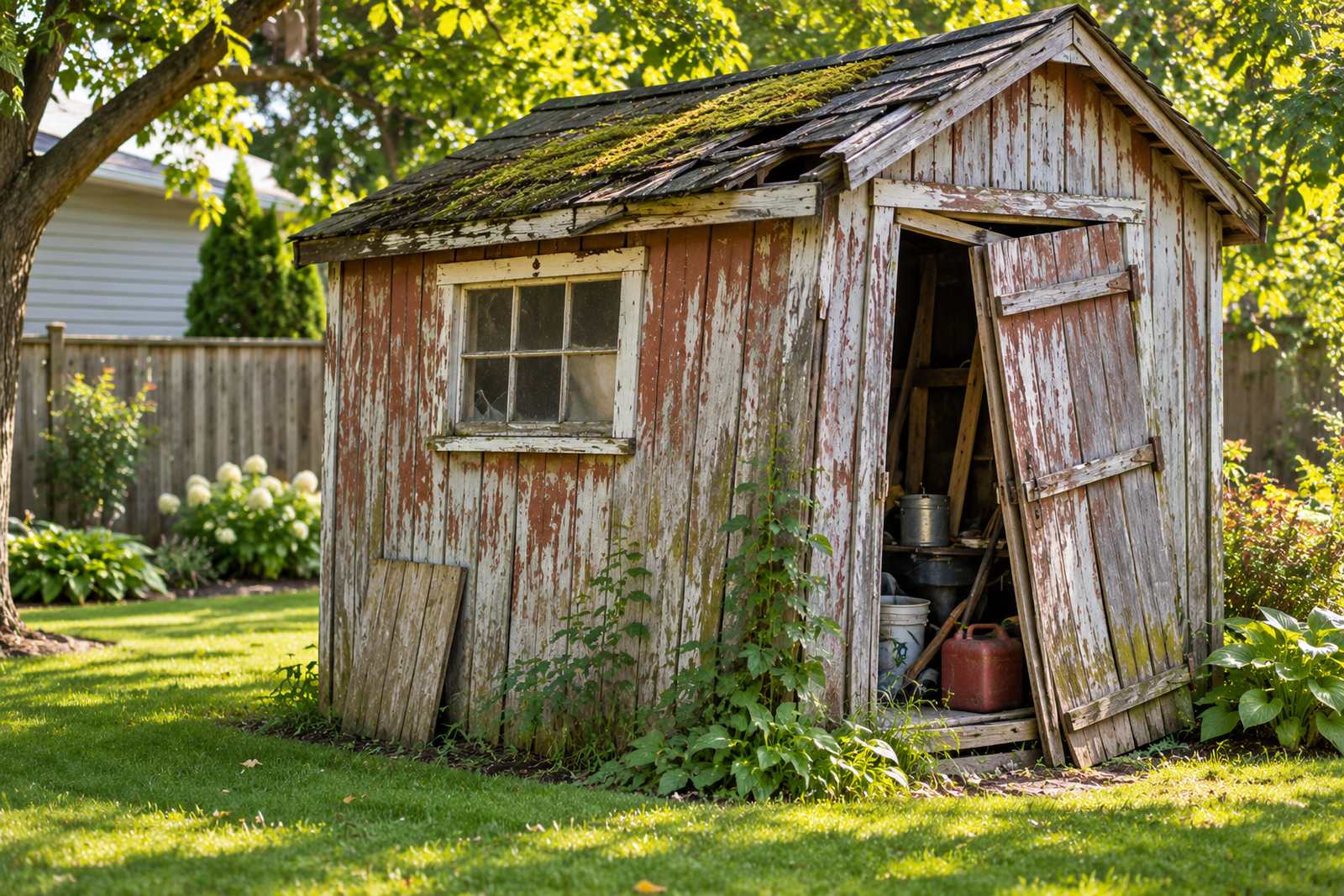
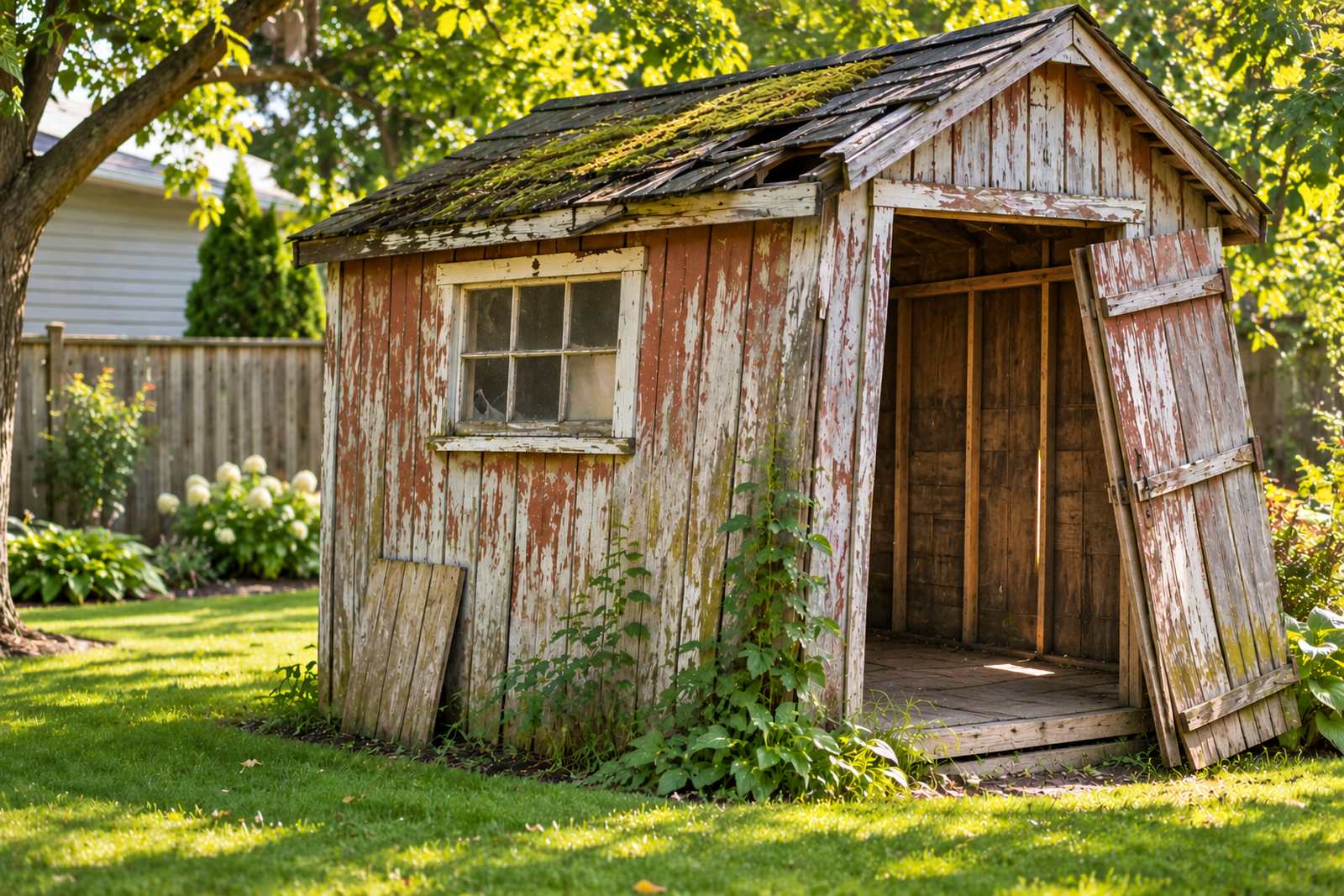
That old shed in the backyard might have been useful once upon a time. Maybe it held lawn equipment, holiday decorations, or a collection of things nobody quite knew what to do with. But now? It’s leaning a little, the roof has seen better days, and you’re wondering whether it’s worth keeping around.
Sometimes an old shed just needs a little attention. Other times, taking it down makes more sense.
If you’re thinking about shed removal, here’s how to figure out whether it’s time, what needs to happen before demolition, and how to handle everything that’s left behind.
How Do You Know When a Shed Needs to Come Down?
Not every aging shed needs to be demolished. A few loose boards or a worn-out door might be easy enough to fix.
But there are some signs that repairs may no longer be worth the effort.
Look for things like:
- Rotting wood: Soft floors, crumbling walls, or support posts that are falling apart.
- A sagging roof: Water damage, missing shingles, or a roof that looks ready to give way.
- Leaning walls: A shed that’s shifting or tilting could be unsafe.
- Pest damage: Rodents, insects, and other unwanted visitors can cause serious problems.
- More repairs than it’s worth: Sometimes fixing an old shed costs more than replacing it.
If the structure looks unstable, it’s best to keep your distance until someone can assess it safely.
What Should You Remove Before Shed Demolition?
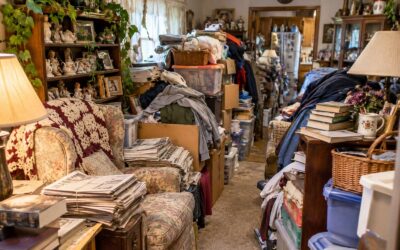
Before anyone starts taking down walls or pulling off roofing, you’ll want to empty the shed.
Start with anything you plan to keep. Lawn tools, gardening supplies, seasonal decorations, and outdoor equipment can all be moved somewhere safe.
Next, separate anything you’re ready to donate, recycle, or throw away.
Pay special attention to paint, pesticides, gasoline, propane tanks, and other chemicals. These materials need special handling and shouldn’t be mixed in with regular demolition debris.
The Minnesota Pollution Control Agency has helpful information about household hazardous waste and proper disposal.
And if you’re clearing out a shed that belonged to a loved one, there’s no need to rush through everything. Set aside anything you’re unsure about and give yourself time to decide what you’d like to keep.
Can You Tear Down an Old Shed Yourself?
That depends on the shed.
A small, simple structure that’s still stable might be manageable for someone with the right tools and experience. Larger sheds, especially those with electrical wiring, heavy roofing, or damaged supports, are another story.
Before beginning, check whether your city requires a demolition permit. You’ll also want to make sure any electrical service has been safely disconnected.
Professional shed demolition may be the better choice when the structure is large, unstable, or difficult to access.
And remember, taking the shed apart is only half the job. You’ve still got to figure out what to do with all that wood, roofing, nails, and other debris.
What Happens to Everything After the Shed Comes Down?
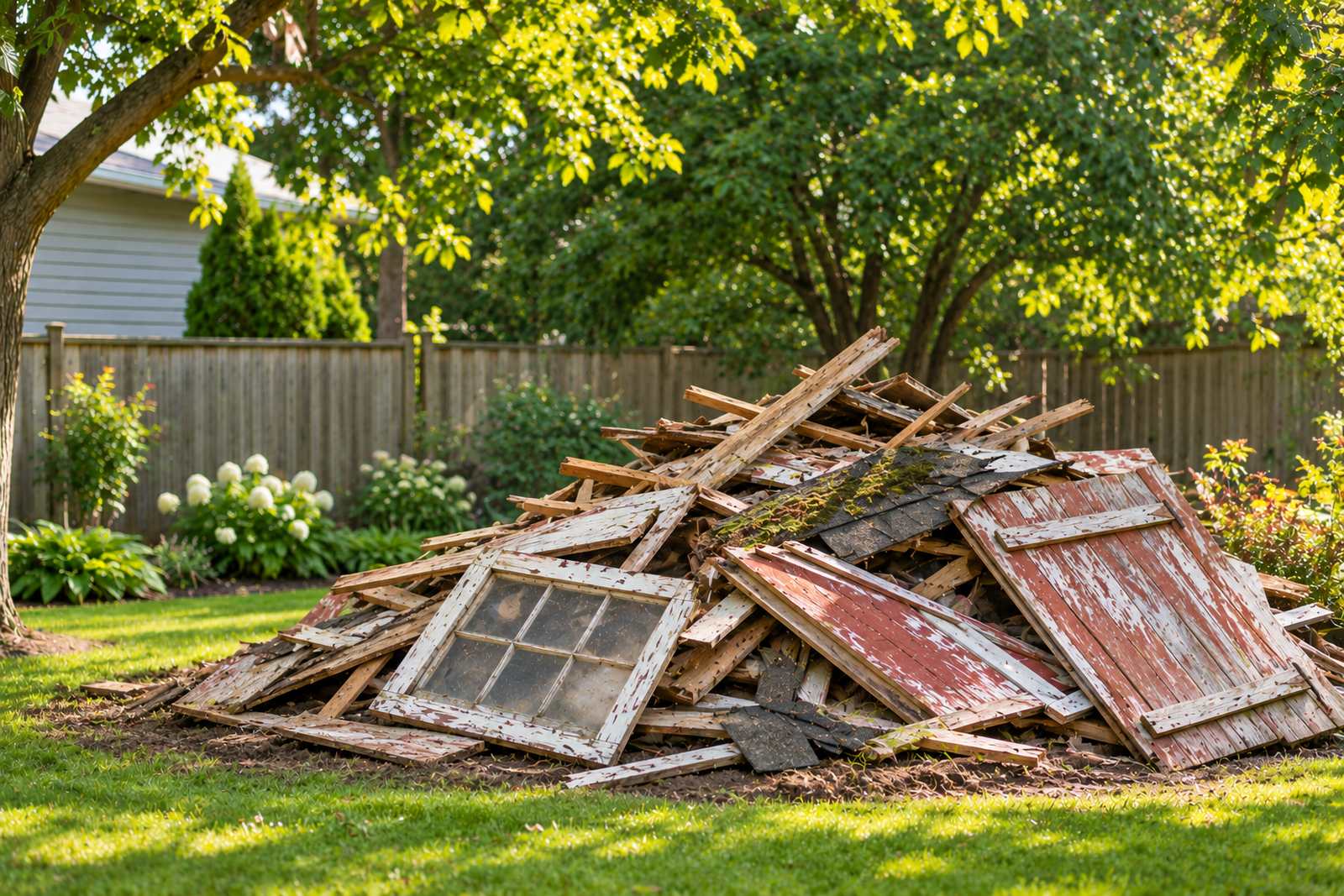
Once the structure is down, you’ll probably have a pretty impressive pile of debris.
Wood framing, plywood, shingles, metal roofing, siding, and flooring all need to go somewhere.
Some materials may be recyclable, depending on their condition and local recycling rules. Others will need to be disposed of properly.
This is where professional shed removal can make things a whole lot easier.
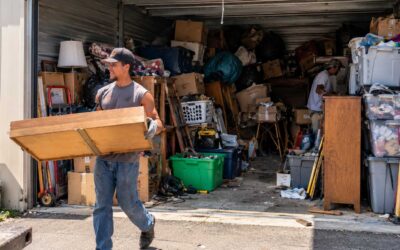
Instead of making multiple trips to a disposal facility, you can arrange to have the debris hauled away. A professional junk removal service can help take care of the heavy lifting and hauling.
Just be sure to confirm whether the company handles the actual demolition, debris hauling, or both.
What About the Shed’s Foundation?
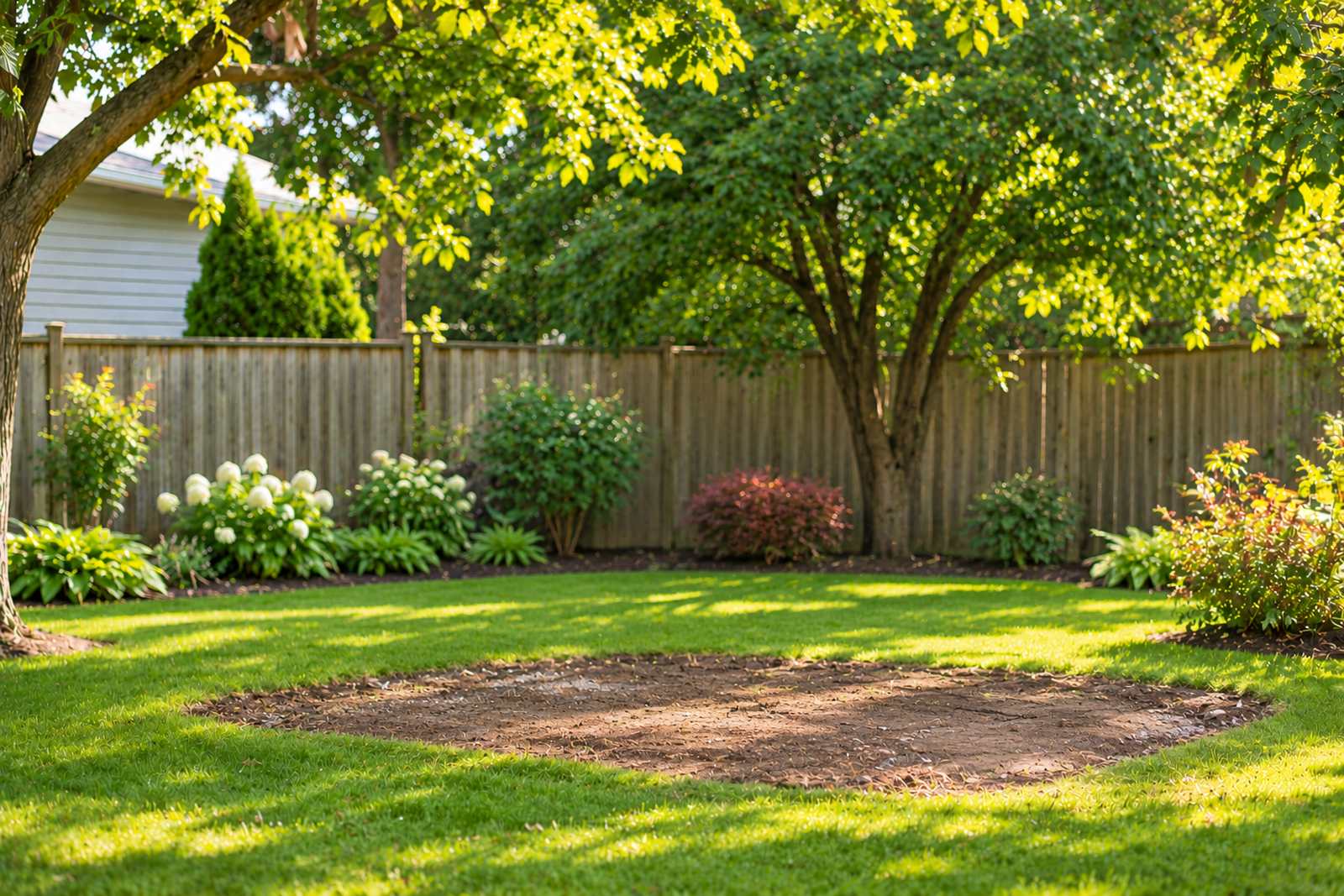
Once the shed is gone, you might discover a concrete slab, gravel pad, or wooden platform underneath.
What happens next depends on how you want to use the space.
If you’re planning to install a new shed, the existing base might still be useful. If you’re hoping to turn the area back into lawn or garden space, you may want to remove the foundation too.
Ask about foundation removal separately when getting an estimate, since it may not be included in a standard shed removal service.
Ready to Say Goodbye to That Old Shed?
Whether you’re clearing up your own backyard or getting a family property ready for its next chapter, you don’t have to handle all the heavy lifting yourself.
Junk Truck MN is happy to help you figure out the best way to tackle the cleanup. We can haul away eligible debris, old equipment, and unwanted belongings so you can get back to enjoying your yard.
Contact Junk Truck MN for a free quote. Tell us a little about your shed, and we’ll help you figure out the next step.